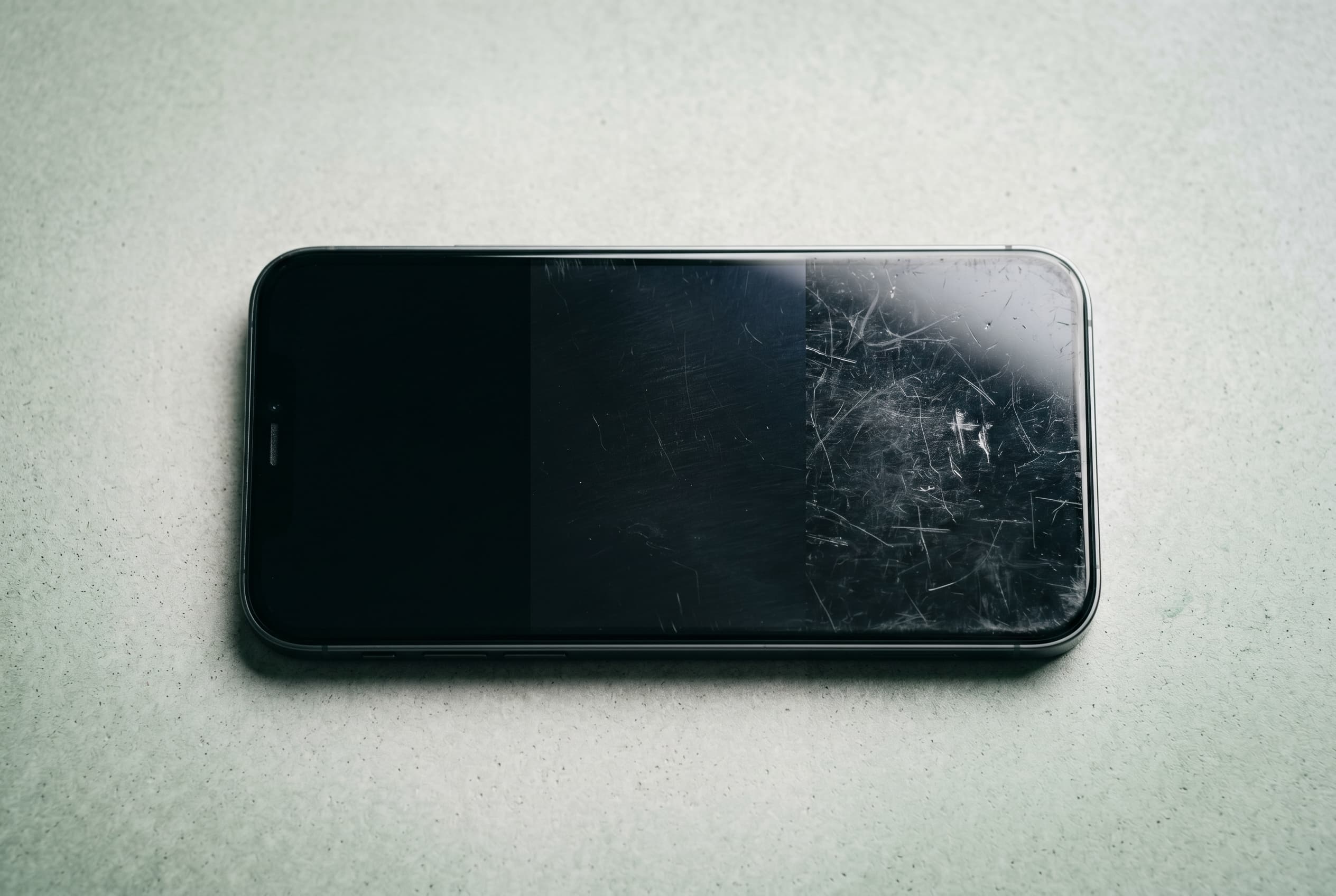
When you shop for a used phone, laptop, or tablet, the condition grade is the first filter that matters. The problem is that “Good” on one platform can mean something entirely different on another. This guide uses Swappa’s official grade scale: New, Mint, Good, and Fair as the reference. It defines each grade, explains how the grades vary by category, shows how grades move resale price, and walks sellers through grading a device honestly before listing.
This article is an extension of the used electronics condition grades hub, which covers the full condition picture from grading to testing.
Quick Answer
Swappa’s condition grade scale has four grades. New means factory sealed and unopened. Mint means pristine, no visible wear. Good means excellent with minor wear. Fair means noticeable wear. All three used grades (Mint, Good, Fair) must be fully functional, so the grade describes how a device looks, not how it works. Pair the grade with photos and the listed battery health before you buy. Some categories use fewer grades or require specific accessories, covered below.
What Swappa’s Condition Grade Scale Measures
Used electronics do not ship with a universal label. Before grade systems existed, every listing was a guessing game: “light wear” meant one thing to the seller and something else to the buyer. Swappa’s condition grade scale fixes that by giving both sides a shared, consistent reference point.
Most items on Swappa list as New, Mint, Good, or Fair. New is a factory-sealed device. Mint, Good, and Fair are used grades that step down by cosmetic wear. Some categories use fewer options or attach accessory requirements to specific grades, which we cover in the category section below.
A grade compresses a lot of information into one word. It tells a buyer roughly what to expect before they open the photos, and it tells a seller how to position and price a device against the market. Without it, every transaction needs more back-and-forth and carries more uncertainty.
One thing the used grades do not measure is function. Mint, Good, and Fair are cosmetic standards on a fully functional baseline. They describe scratches, scuffs, and finish wear, not whether the screen works, the buttons respond, or the battery holds a charge, because every used grade already assumes the device works. Function is a separate axis. For how to confirm a device actually works, see the guide on how to test a used device before you buy.
Each Swappa Condition Grade Defined
New
New means the device is unopened and in its original factory-sealed packaging. It has never been used, set up, or activated. This is the only grade that is not “used,” and it sits at the top of the price range for a model. On Swappa, New is a specific claim: the seal is intact and the box has not been opened.
Not every device sells as New, and most categories will have far more used listings than New ones. If you want the original retail experience at a price below a store, New listings are the closest match. Everything below this is a used grade.
Mint (or Like-New)
Mint condition means a used device that is pristine with no visible signs of wear. No scratches on the screen, no scuffs on the back or sides, no worn edges around buttons or ports. Under close inspection in good lighting, it looks the same as a device fresh out of the box. Many sellers label this same state like-new, and the two terms carry the same expectation.
For phones and tablets, Mint does not require the original charger, packaging, or manuals. The grade is about the device’s cosmetic state, not whether the box came along. Other categories attach accessory requirements to their grades, covered in the category section below.
A device that spent its life in a case with a screen protector applied from day one can qualify as Mint. One used without protection usually cannot, even if the wear is subtle.
For buyers, Mint is the closest thing to buying new without the new-device price. For sellers, Mint commands the highest used asking price in a model’s range, and it is the easiest grade to protect by keeping your current device cased.
What disqualifies Mint: any scratch visible to the naked eye on the display, scuffs on the corners, or wear marks around the charging port.
Good
Good condition is the most common grade in the used market. A Good device is in excellent shape, fully functional, and shows only minor cosmetic wear: minor scratches on the screen or back, small scuffs on the corners, slight wear near the buttons. Nothing that affects performance, and nothing that stands out at arm’s length.
Most buyers do well in Good condition. The price sits below Mint, but the device works identically. The gap between Mint and Good often represents better value than the grade difference suggests.
Sellers should inspect carefully before assigning Good. Hold the device under natural light and tilt it at different angles. What looks clean in dim light often reveals hairline scratches in bright sunlight. If it passes that test with only minor marks, Good is the right grade.
What qualifies as Good: a light hairline scratch on the back glass, minor wear on the aluminum band, or a small scuff on one corner.
Fair
Fair condition means the device is fully functional but shows noticeable cosmetic wear. Visible scratches on the display, scuffs across multiple surfaces, worn finish on the body or edges. A Fair device performs the same as a Mint one in daily use. The grade reflects how it looks, not how it works.
Fair is a legitimate choice for buyers who plan to put the device straight into a case and care more about function and price than appearance. For something like a laptop that sits on a desk most of the time, Fair cosmetics may not matter at all.
For sellers, Fair devices should price at the lower end of the used range for the model. Listing a Fair device as Good invites disputes and returns.
What qualifies as Fair: a visible scratch across the display glass, heavy scuffing on corners and edges, or worn paint and finish on the body.
Where the Functional Baseline Sits
Every used grade shares one thing: a fully functional baseline. Mint, Good, and Fair all assume the device powers on, holds a charge, and works as intended. Cosmetic wear is what separates those three grades. Functional faults are a different category entirely, and on Swappa they bar a device from listing. Cracked glass and water damage, for example, are not “Fair,” they are non-listable. For the line between wear that is cosmetic and damage that is functional, see cosmetic vs. functional damage on used phones.
| Grade | What You See | Device Function | Typical Price Position |
|---|---|---|---|
| New | Factory sealed, unopened | New, unused | Highest |
| Mint (Like-New) | No visible wear | Fully functional | High |
| Good | Minor scratches and scuffs | Fully functional | Mid-range |
| Fair | Noticeable wear throughout | Fully functional | Lowest |
Prices vary by device model, storage, carrier unlock status, and current demand. Check live ranges on Swappa’s pricing page.
How Grades Differ by Category
New, Mint, Good, and Fair are the backbone of Swappa’s scale, but not every category uses all four, and some attach accessory requirements to specific grades. The cosmetic logic stays the same. What changes is the number of grades available and what has to be in the box. Here is how the main categories differ.
Categories that use the full New / Mint / Good / Fair scale:
- Phones and tablets. No charger, packaging, or manuals required at any used grade. Cosmetics alone separate Mint, Good, and Fair.
- iMac and Mac mini. The power cord or charger is required at used grades. A keyboard and mouse are not required.
- Laptops. The power cord or charger is included (required) at used grades.
- Watches and wearables. The charger is required only when it shipped in the original retail packaging. The watch band and packaging are not required.
- Game consoles. New is sealed and includes any relevant DLC. Mint requires the HDMI cable, power cord, and an OEM controller. Good and Fair require the power cord and a controller, with HDMI not required.
- Game controllers and accessories. A functional charging cable is required if the item originally shipped with one. Cosmetic tiers follow the standard New / Mint / Good / Fair pattern.
- Home tech. A functional remote is required if the item uses one, and smart thermostats need a functional wall mount or base. The power cord is included at used grades.
- Cameras. The battery is required at used grades. The charger is not required.
- Action cameras. The power cord or charger is included.
- Camera lenses. The glass must be flawless across all grades. Cosmetic wear on the body still steps the grade down, but optics cannot be compromised at any tier.
Categories that list as New or Used only (no Mint / Good / Fair breakdown):
- GPUs.
- Drones.
- Audio.
When a category is New or Used only, the listing leans harder on photos and the description, since there is no Mint-versus-Good shorthand to set expectations. Read those listings carefully and check the images before you buy.
How Condition Grades Affect Resale Price
The same device in Mint versus Fair condition can carry a meaningfully different resale price. The spread depends on how desirable the device is overall and how much cosmetic condition matters to buyers in that category.
For phones, the condition grade is one of the biggest price variables after storage tier and carrier status. Buyers shopping phones often set a budget, then pick the best grade they can get inside it. A Mint device at the top of the range competes with newer models on value, while a Fair device at a lower price point can be the better deal for a budget-focused buyer.
For laptops, the spread between Good and Fair tends to be smaller, because cosmetic wear is more expected and less visible in daily use. On premium devices like MacBooks, Mint still earns a premium, but buyers often accept Good condition without much price resistance.
For accessories and wearables, condition matters most at the extremes. Mint examples are worth notably more than Fair ones, because small items are often harder to repair than to replace.
The practical takeaway for buyers: stepping from Mint down to Good on a phone usually saves enough to cover a case and screen protector with money to spare. For sellers: if your device has drifted from Mint to Good through light use, price it for what it is rather than hoping buyers won’t notice. For the full breakdown of what moves used prices, see how much your device is worth in the resale value guide.
How to Grade Your Device Honestly as a Seller
Accurate grading is the single most effective thing a seller can do to avoid disputes. A buyer who receives exactly what was described leaves satisfied. A buyer who receives something worse than described opens a return. On Swappa, sellers must accept returns for items that are not as advertised, so an honest grade protects your payout.
Here is a practical process before you list:
- Clean the device first. Fingerprints, smudges, and dust can hide or mimic surface marks. Wipe everything down with a microfiber cloth before inspecting. What remains after cleaning is what you grade.
- Inspect in bright, natural light. Overhead room lighting hides surface scratches. Daylight or a bright lamp held at a low angle reveals them. Tilt the screen and back panel at multiple angles.
- Check every surface. Front glass and display, back panel, all four edges and corners, and the area around every port and button. Anywhere that contacts a surface or pocket fabric.
- Apply the definitions strictly. If you are unsure whether something is Mint or Good, call it Good. If you are unsure between Good and Fair, describe the specific marks and let buyers judge. Honesty here protects you.
- Photograph what you find. On Swappa, listing photos are reviewed by expert staff. Shoot the device in the same lighting you used for inspection, and capture any marks. A buyer who sees a mark in the photo before purchase cannot later claim it as undisclosed damage.
Grade describes cosmetics only, so disclose the rest separately. Note the battery health if it is below the device’s norm. For Apple devices, Swappa requires sellers to disclose when an iPhone’s battery health is below 80% and the Apple battery message is showing. There is no minimum battery percentage to list, but the battery must charge and discharge properly. See battery health in used electronics for how to read and price it.
Swappa’s listing standards require an accurate grade, a clean IMEI or ESN, no activation lock, no cracked glass, and no water damage. Listings that miss these criteria are not approved, and devices with cracked glass or water damage cannot be listed at all. If your device has that kind of damage, the better move is to buy a replacement on Swappa rather than try to list it.
Ready to list a device that meets the criteria? Sell your phone on Swappa and see how comparable devices are graded and priced.
Swappa Grades vs. Other Marketplace Labels
Swappa’s New, Mint, Good, and Fair scale is defined and consistent. Many other marketplaces use looser or varied terms. “Very good,” “acceptable,” “seller refurbished,” and “used, like new” all show up across platforms, and the same word can mean different things from one seller to the next. Treat Swappa’s grades as your reference point, then translate other listings against them.
The used grades also are not the same as refurbished, open box, or certified pre-owned, which describe how a device was processed and who stands behind it, not just its cosmetics. A “like-new” private listing and a manufacturer-refurbished unit can look identical and mean very different things for warranty and testing. For where those labels overlap and where they diverge, see refurbished vs. open box vs. like new.
Frequently Asked Questions
What are Swappa’s condition grades?
Most items list as New, Mint, Good, or Fair. New means factory sealed and unopened. Mint means pristine with no visible wear. Good means excellent with minor wear. Fair means noticeable wear. All three used grades (Mint, Good, Fair) must be fully functional. Some categories use fewer grades, such as New or Used only, and some require specific accessories at used grades.
What does the New grade mean on Swappa?
New means the device is unopened and in its original factory-sealed packaging. It has never been used or activated. New sits at the top of the price range, and not every category or model will have New listings available.
What is the difference between Mint and Like-New?
The terms are used interchangeably in most contexts. Mint and like-new both mean no visible cosmetic wear on a used device. Some sellers use like-new to signal a device was opened but barely used; others use Mint for the same thing. Either way the expectation is identical: no scratches, no scuffs, looks new. For phones and tablets, Mint does not require the original charger or packaging.
Does the condition grade cover battery health?
No. Condition grades describe cosmetic state only. Battery health is a separate factor: a Mint device can have a degraded battery, and a Fair device can have a healthy one. On Swappa, sellers must disclose if an iPhone’s battery health is below 80% and the Apple battery message is showing. Check the listed battery health before buying. See battery health in used electronics.
Is Good condition worth buying?
Yes, in most cases. On Swappa, Good means excellent with minor wear, fully functional. It is the most common grade in the used market and often the best value, because you pay less than Mint for a device that works identically. Most buyers in Good condition are satisfied.
What grade should I use if my phone has one small scratch?
One visible scratch, even a minor one, moves the device out of Mint. If the scratch is small and only shows under close inspection, Good is the accurate grade. Include a photo of it in your listing. Accurately graded devices sell just as fast as overgraded ones, with fewer disputes.
How much does condition affect resale price?
It varies by device and market, but condition is typically one of the top three price drivers for phones, alongside storage and carrier status. The spread between Mint and Fair on a flagship phone can run from roughly $50 to $150 or more, depending on model and demand. Check current ranges by model on Swappa’s pricing pages.
Can I dispute a condition grade after receiving a device?
Yes. On Swappa, if a device arrives not as described (including a grade that doesn’t match reality), you are entitled to a return and refund. Sellers must accept returns for not-as-described items, and Swappa’s 3% buyer fee is refunded on a proper PayPal refund. Payments run through PayPal with buyer and seller protection, and Swappa’s human support team is available 24/7/365 with around a 20-minute average response time.
The Bottom Line
Swappa’s grades are a shared language, not a guarantee. New means factory sealed. Mint, Good, and Fair are used grades that step down by cosmetic wear on a fully functional baseline. They tell you what a device looks like, not whether it works, what the battery holds, or whether the seller graded it accurately. Some categories use fewer grades or require specific accessories, so check the category rules and the listing details. Use the grade as a starting point, back it up with photos and questions, and confirm function when the device arrives.
For sellers: grade honestly, photograph accurately, and price for the real condition. That is the fastest path to a clean sale and no disputes.
Shop used devices on Swappa across phones, laptops, tablets, and more.