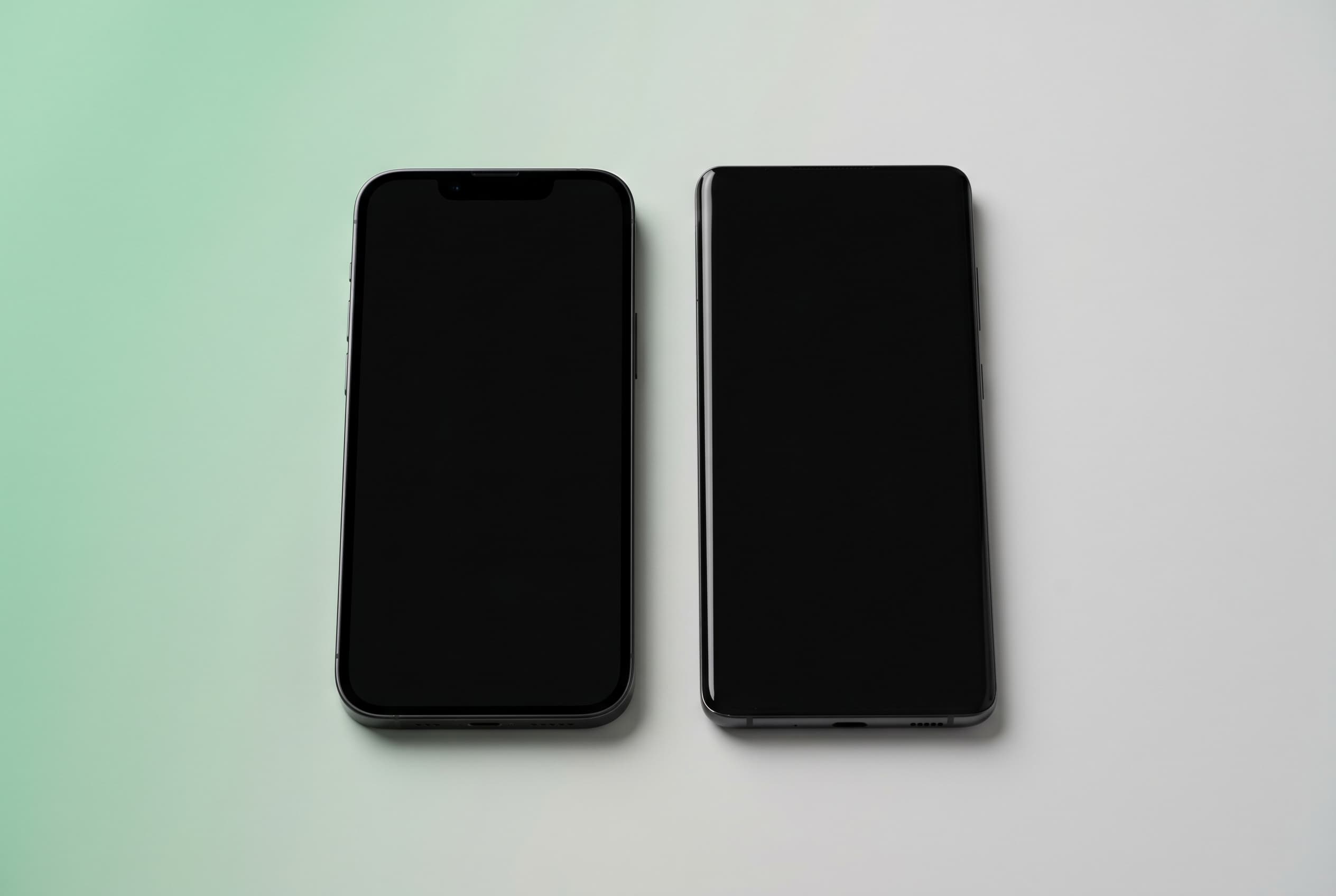
When you spend $800 or more on a phone, what you recover when you sell matters. iPhones have held a consistent edge in resale value over Android devices for years. That gap is real, measurable, and relevant whether you are buying with an eye toward reselling later or selling a device you already own. Here is what the data shows and what it means for your decision.
Quick Answer
iPhones retain more value than most Android phones, particularly in the first one to two years. A typical iPhone depreciates around 28 to 33% in year one; Samsung Galaxy S flagships depreciate 47 to 66% over the same window; Google Pixel phones depreciate 60 to 72%. Samsung is improving and the gap is narrowing, but iPhone is still the safer bet for resale value today.
How Phone Depreciation Works
All phones lose value after purchase. The rate of loss depends on three things: how long the manufacturer supports the device with software updates, how strong demand is in the used market, and how quickly new models make the current one feel outdated.
The steepest depreciation typically hits in the first 12 months. After that, the curve flattens. A phone holding 50% of its value at year one will often hold 35 to 40% at year two, but the largest losses are already locked in by then.
This article covers the brand-level comparison between iPhone and Android. For a deeper look at how depreciation affects pricing by model and generation, see Tech Depreciation: How Fast Electronics Lose Value. For guidance on when to time your sale, see our best time to sell your phone guide.
iPhone vs. Android Depreciation: Side-by-Side
The table below shows approximate first-year depreciation rates by device tier, based on industry resale tracking data. These are ranges, not fixed numbers. Actual used prices vary by condition, storage tier, and market timing.
| Device | Approx. 1-Year Depreciation | Notes |
|---|---|---|
| iPhone 15 / 16 Pro | ~28 to 30% | Strong sustained demand |
| iPhone 17 series | ~27 to 33% | Early-window data |
| Samsung Galaxy S25 series | ~47 to 66% | Varies by model tier |
| Samsung Galaxy A series | ~60 to 75% | Thinner demand, shorter update window |
| Google Pixel 9 series | ~60 to 72% | Improving from Pixel 8 low |
| Google Pixel 10 | ~64% | Early-window data |
| Other Android (OnePlus, etc.) | ~65 to 80%+ | Thin used market demand |
Figures are approximate ranges drawn from industry resale reports. See live used phone prices on Swappa.
iPhone Resale Value: Why It Holds
iPhones consistently outperform Android flagships on resale, and the reasons are structural.
Long software support. Apple supports iPhones with OS updates for six or more years. A device that stays current with security patches and app compatibility stays relevant longer in the used market. Buyers factor update runway into what they are willing to pay.
Deep and consistent demand. iPhones are among the most transacted devices on Swappa. The iPhone 13, 14, and 15 lines have regularly ranked as top-selling models on the platform. When buyer demand is deep and steady, sellers can price with confidence and get closer to asking price.
Ecosystem retention. Buyers already invested in iMessage, AirPods, Apple Watch, and iCloud have strong reasons to stay in the Apple ecosystem. That sustained buyer pool keeps used iPhone prices firmer than brands without the same retention dynamic.
Depreciation in practice. The iPhone 17 range depreciated roughly 27 to 33% in its first several months of availability. The iPhone 15 and 16 Pro held over 70% of original value at the 12-month mark. Those are benchmarks other platforms have not consistently matched.
You can browse current used iPhone listings and see actual sold prices at swappa.com/buy/iphones.
Android Resale Value: Samsung vs. Pixel vs. the Field
Android is not one market. Resale value varies significantly by brand, device tier, and generation.
Samsung Galaxy
Samsung is the strongest Android performer on resale, and the gap with iPhone is narrowing. The Galaxy S series has improved its depreciation rate meaningfully between 2022 and 2025, driven by two real changes: Samsung’s commitment to seven years of software updates starting with the Galaxy S24 series, and AI-focused hardware features gaining traction with buyers.
Still, the Galaxy S25 range depreciated in the 47 to 66% range in its first several months, compared to roughly 27 to 33% for the iPhone 17 over the same window. Samsung has improved, but iPhone still leads on near-term resale.
The Galaxy A series tells a different story. Budget and mid-range Samsung models depreciate faster than flagships because used market demand is thinner and update timelines are shorter. The Galaxy A16 5G is an outlier with a six-year update commitment, but it is not representative of the broader A lineup.
Google Pixel
Pixel phones depreciate steeply. The Pixel 8 series averaged roughly 68% depreciation at 12 months. The Pixel 9 improved to around 60 to 72%, and the Pixel 10 is tracking near 64% in early data.
Google extended its update commitment to seven years starting with the Pixel 8 series. That is a genuine advantage for buyers who want long software runway. The used market has not fully priced that advantage in yet, which creates a specific opportunity: a one-year-old Pixel 9 or 10 can represent strong hardware value for a buyer who plans to hold it for several years. For a seller, though, the steep early curve makes timing the sale critical.
Other Android Brands
Below Samsung and Pixel, resale value falls off sharply. OnePlus offers four years of updates on flagships. Most other Android OEMs offer less. A device with a two-year update window and limited used market name recognition will lose value fast and be difficult to resell later.
If resale value matters to you, stick to Samsung Galaxy S or Google Pixel if you are buying Android. The rest of the field is a steeper depreciation curve with fewer buyers on the other end.
What This Means If You Are Buying
If resale value is your priority, iPhone is the lower-risk choice. The combination of sustained demand, long software support, and slower depreciation makes it the most predictable option if you plan to sell within one to two years.
If you want the best deal on the used market now, a one to two-year-old Samsung Galaxy S flagship or Pixel 9/10 can represent strong value. Those phones front-load their depreciation, meaning the original buyer absorbed most of the loss. You get flagship hardware at a significant discount.
Questions worth asking before buying used:
- How many software update years are left on this device?
- Is this model in active demand, or about to be replaced by a new generation?
- What is the current resale range for this model in this condition tier?
For a full buyer inspection checklist covering what to test before you pay, see how to inspect a used phone.
Browse current used phone prices across brands at swappa.com/prices.
What This Means If You Are Selling
The biggest value loss on any phone happens in the first 6 to 12 months. If you are planning to sell, earlier is almost always better, regardless of whether you have an iPhone or Android.
For iPhone, the natural pressure point is the period just before Apple’s fall launch cycle, typically August to September. Prices soften once new models are announced. Selling in Q1 or in the run-up to a new release captures more of the remaining value.
For Samsung Galaxy, the same logic applies around Galaxy S launch windows, typically January to February at Galaxy Unpacked. Selling before the new S-series announcement preserves more value than waiting until it is already public.
For Google Pixel, sell before Google’s October hardware event when new Pixel models are typically announced.
Condition matters as much as timing. A well-maintained device in excellent condition will command a premium over one showing heavy wear. On Swappa, listings are staff-reviewed and must meet verified standards: clean IMEI, no activation lock, fully paid off, no water damage or cracked glass. That listing integrity means buyers pay fair prices, which means sellers get better returns than on platforms without those standards.
For the full breakdown of how to time a phone sale and maximize what you recover, see our best time to sell your phone guide.
FAQ
Does iPhone always hold value better than Android?
In most cases, yes, particularly in the first one to two years. iPhones depreciate at roughly half the rate of the average Android flagship over that window. Samsung’s Galaxy S series is the closest Android competitor and has improved meaningfully since 2022, but iPhone still leads on overall resale retention.
Why do Android phones depreciate faster than iPhones?
Historically, shorter software update windows and more fragmented brand demand in the used market have driven faster depreciation. Samsung and Google have now extended their update commitments to seven years, which should help over time. But the used market adjusts slowly, and iPhone still benefits from stronger ecosystem retention and deeper per-model demand.
Is a used iPhone better value than a new Android at a similar price?
Often, yes. A two-year-old iPhone in good condition can sell for well under half its original retail price while still receiving current iOS updates. Compared to a new budget Android at a similar price point, the used iPhone may offer more software runway, better resale stability, and comparable or superior performance.
Which Samsung phones hold their value best?
Galaxy S flagship models perform best. The S24 and S25 series benefit from Samsung’s seven-year update commitment, which is beginning to show up in resale pricing. Older mid-range Galaxy A models depreciate faster and have thinner used market demand.
Is a used Google Pixel a smart buy despite steep depreciation?
It depends on how long you plan to hold it. If you are buying a one to two-year-old Pixel 9 or 10 to use for several years, the math can work well: you get the hardware at a steep discount and still have years of software support ahead. If you plan to resell after a year, the steep early depreciation makes it a poor choice for value recovery.
Where should I sell a used phone to get the most money?
A peer-to-peer marketplace typically returns more than a carrier trade-in or big-box retailer program. On Swappa, sellers pay a flat 3% fee plus payment processing, and listing is always free. That fee structure, combined with an engaged buyer base and verified listings, generally yields more than trade-in offers for the same device. See what your phone is worth on Swappa.
The Bottom Line
iPhone holds its resale value better than any major Android platform today. The gap is real, measurable, and matters most in the first one to two years after purchase.
That said, the gap is narrowing. Samsung’s seven-year update commitment and improving depreciation curve are making Galaxy S flagships a more credible long-term proposition. Google’s update policy is a genuine advantage for Pixel buyers who plan to hold for several years, even if short-term resale numbers remain steep.
For buyers: understanding how depreciation curves differ across these ecosystems helps you buy smarter, whether you are optimizing for what you get back later or for the value you can capture on a used device today.
For sellers: the best time to act is almost always before the market expects the next new release. Waiting until after the announcement to list costs you real money.
Compare used phone prices on Swappa and see what your device is worth today.